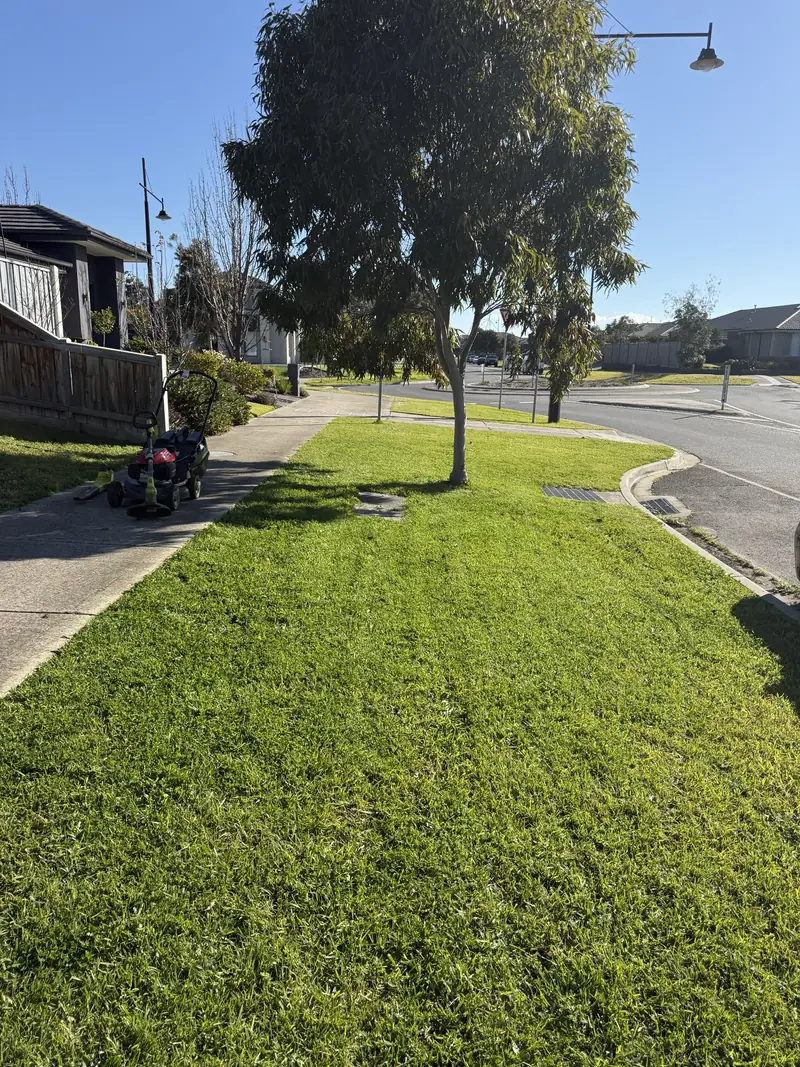
The nature strip
It’s part of the road reserve, not your block. Hume, for example, needs a permit under the Road Management Act 2004 before anyone landscapes a nature strip, and lists synthetic turf as not permitted.
The front yard is the bit everyone sees, and the bit with the most rules. Ideas that work in Melbourne, and what to check before you dig.
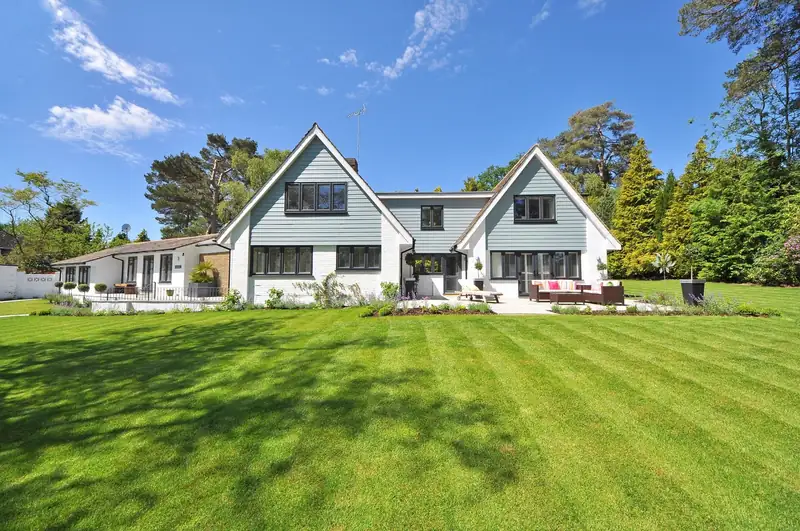
The short answer: decide what the front yard has to do first: parking, bins, the path to the door, privacy and street appeal. Then choose tough plants, pick lawn, artificial grass or no grass, and finish beds with edging and mulch. Before you dig, check the rules at the boundary: the nature strip, street trees, any heritage overlay and access to your water meter.
A front yard works hard. Before choosing plants or surfaces, list what it needs to handle:
Then watch the light for a day. A front yard on the south side of the house sits in its shadow for much of a Melbourne winter, which rules out some grasses and plants. Once you know the must-haves and the sun, the rest of the space can go to planting, lawn or both.

The front garden gets looked at more than it gets used, so it should look tidy without much work.
For more ideas, read our low-maintenance garden guide, or see what our landscaping across Melbourne covers.
Prefer to talk? Call or text 0415 386 399. We reply within 12 business hours.
Inside your property boundary, the choice is generally yours, subject to any owners corporation rules or planning permit conditions on your property.
The nature strip is a separate question. Most councils in Melbourne’s north don’t allow artificial grass there. Our guide to artificial grass on nature strips sets out each council’s rules, with links.
These are the details that keep a front yard looking finished.
Each council has its own rules, so treat these as a checklist and confirm with yours.
It’s part of the road reserve, not your block. Hume, for example, needs a permit under the Road Management Act 2004 before anyone landscapes a nature strip, and lists synthetic turf as not permitted.
Council looks after street trees. Merri-bek says it’s responsible for trees in streets and on nature strips. Only its authorised arborists or contractors may prune them, and it investigates unauthorised removal, poisoning or vandalism of public trees. Hume doesn’t let residents plant trees on nature strips.
Merri-bek’s heritage guideline says you need a planning permit to build, alter or demolish a fence under a heritage overlay. It also notes front fences in heritage areas were traditionally about 1.2 metres high and see-through. A planning property report from VicPlan shows the zone and overlays for your address.
Some councils protect bigger trees on private land too. Darebin’s local law covers trees above a set trunk size, and planning rules can protect others. Check before removing a large tree.
Greater Western Water, for example, asks owners to keep meters accessible: cut plants back and dig the meter out if it’s buried. Don’t cover it with beds, pebbles or turf, and check your own water corporation’s advice.
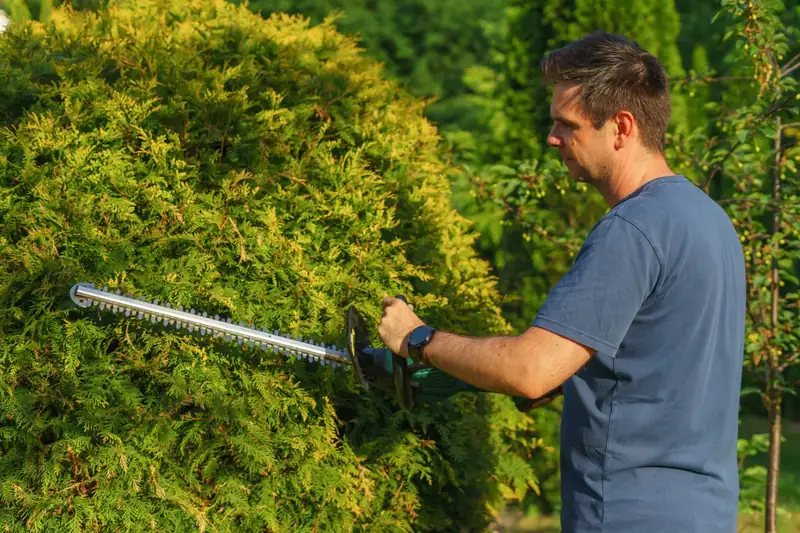
A front yard needs a little care to stay sharp. Trim hedges at the right time of year (see when to trim hedges in Melbourne), top up mulch as it breaks down, and keep edges crisp. Councils such as Hume expect the household to mow, weed and edge the nature strip too. If you’d rather not do it yourself, we offer hedge trimming and pruning and regular garden maintenance.
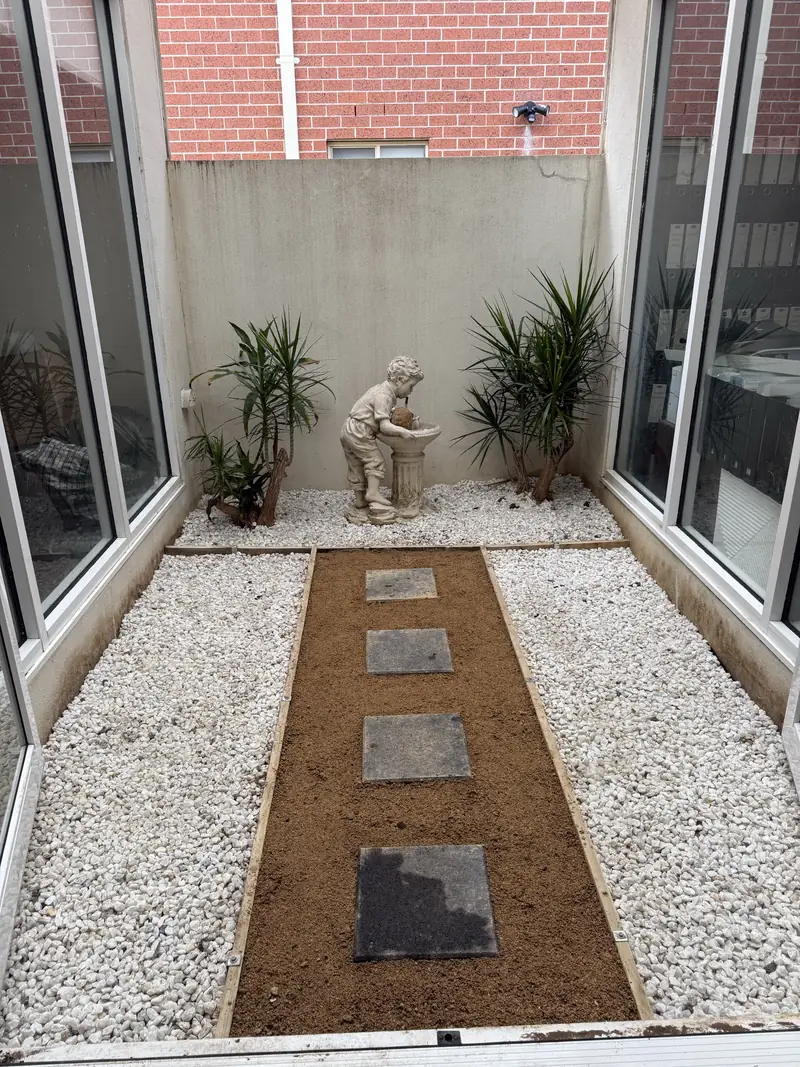
We do front yard landscaping across Melbourne: clearing, new beds and edging, mulch, and new lawn or artificial grass. The owner is on site from the first dig to handover. Typically, old lawn and soil removal is included in the quote whenever base preparation is needed, and a mid-size job takes 2 to 4 days.
Text a few photos of your front yard and nature strip, plus your suburb, to 0415 386 399 for a free measure and quote.
From EKO Gardening Solutions. Sources checked on 9 October 2026.
Ready for a free measure and quote?
Have a question about your own space?
Tell us what you have in mind.
Inside your property boundary it’s generally your call, subject to any owners corporation rules or planning permit conditions that apply to your property. The nature strip is different: it’s part of the road reserve, and most councils in Melbourne’s north don’t allow artificial grass on it.
Usually not for planting, but check first if you’re changing a front fence in a heritage overlay, removing a large tree or touching the nature strip. Merri-bek’s heritage guideline, for example, says a permit is needed to build, alter or demolish a fence under a heritage overlay. A planning property report shows which overlays apply.
Local indigenous plants that suit your soil and sun, kept low beside the driveway and footpath. Your council’s indigenous plant list is the best starting point, and a local indigenous nursery can help you choose. Avoid anything your council lists as an environmental weed.
Usually the household next to it does the mowing, weeding and edging, but it’s part of the road reserve and council looks after the street trees. Hume, for example, expects residents to maintain the nature strip and needs a permit before anyone landscapes it.
Tell us about your space.
We’ll help you work out the next step.