Which mulch is best for a Melbourne garden?
Mulch saves water, smothers weeds and tidies a garden, if you pick the right one and lay it the right way. Here’s how to choose.
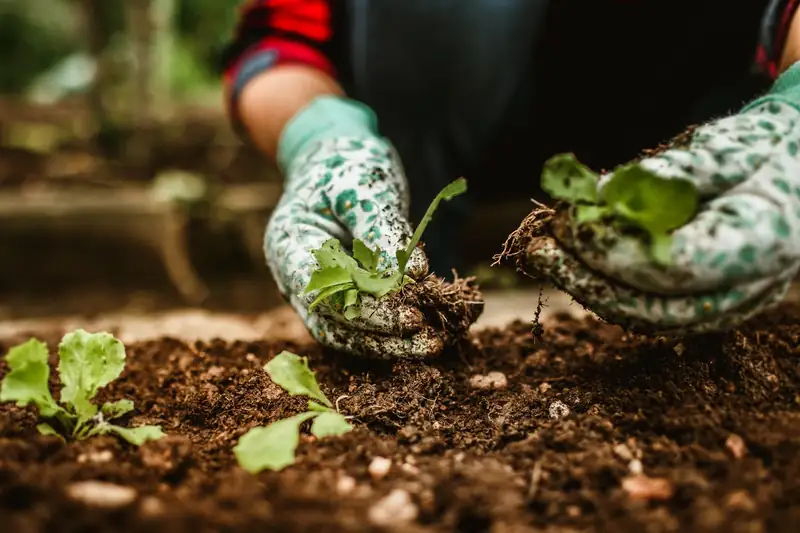
The short answer: for most Melbourne garden beds, a chunky organic mulch such as pine bark or wood chip works best. Lay it about 50 to 75 mm deep on weeded, moist soil, and keep it clear of stems and house walls. Pea straw, lucerne or sugar cane suit veggie patches. Pebbles or scoria suit hot, dry beds of tough plants, and they don’t burn.
Organic or inorganic?
Organic mulch is anything that was once growing: bark, wood chip, straw, compost. Sustainable Gardening Australia (SGA) notes it adds nutrients to the soil as it breaks down. That also means it needs topping up.
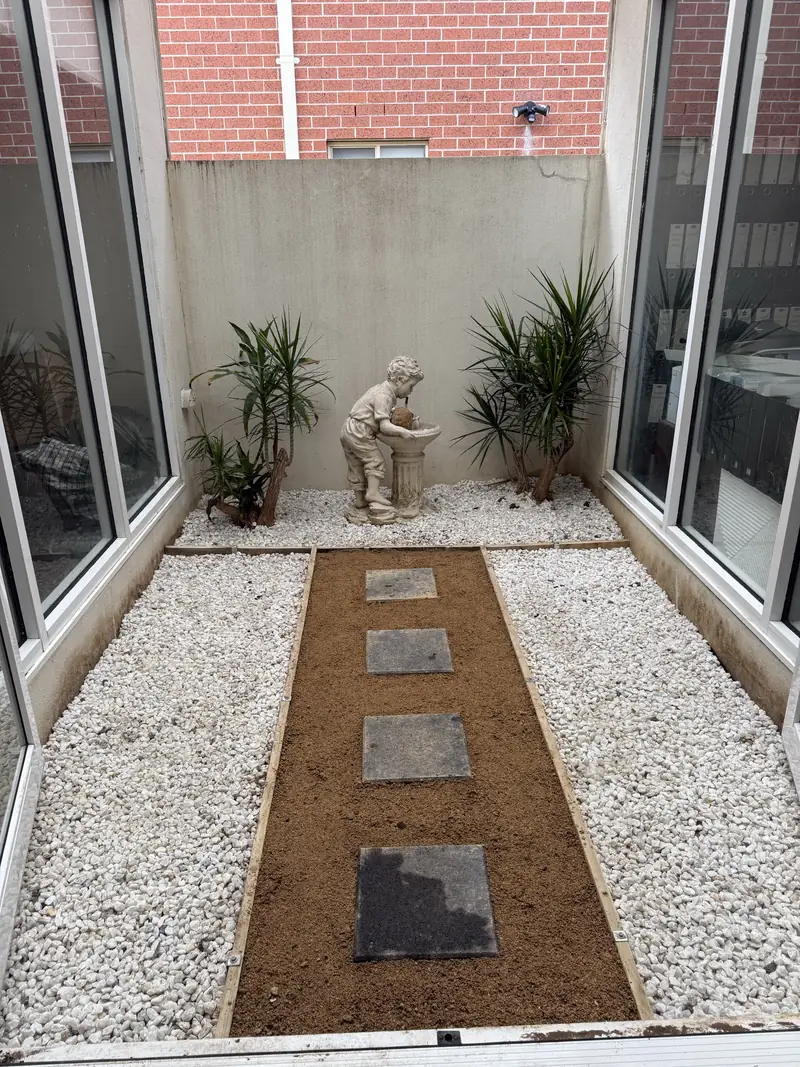
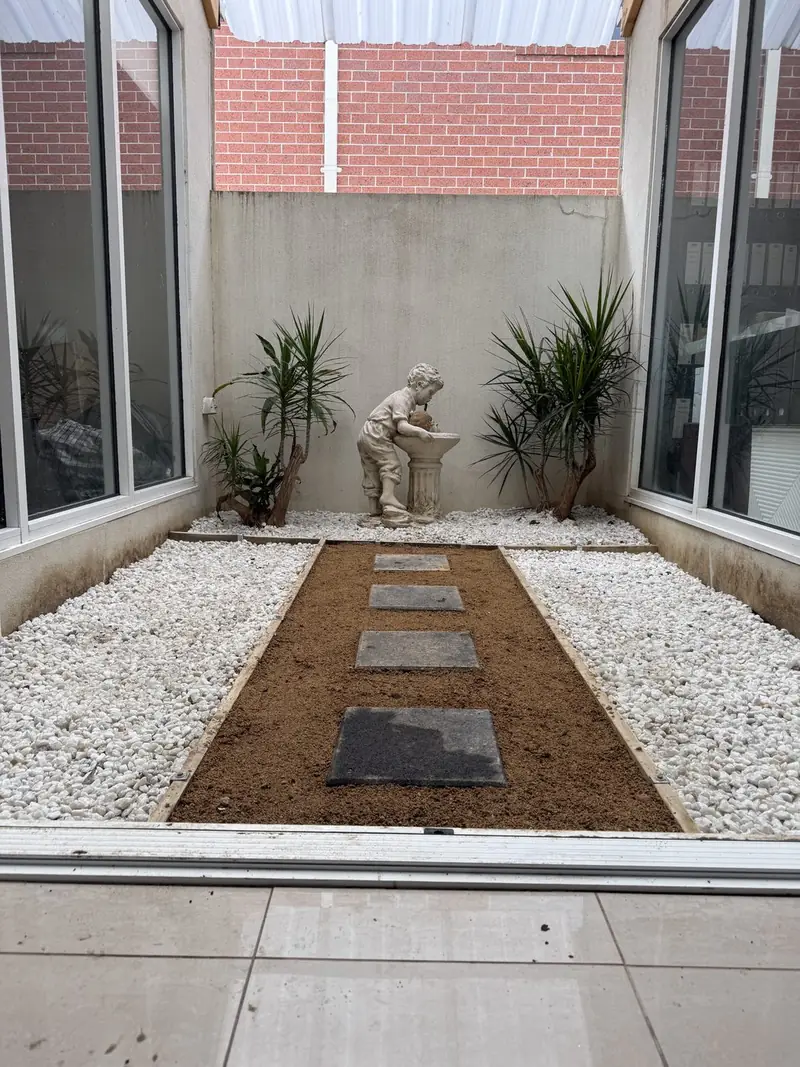
Inorganic mulch is pebbles, gravel, scoria or crushed rock. It doesn’t break down, so it lasts, but it doesn’t feed the soil either. Gardening Australia points out that inorganic mulch doesn’t burn. SGA warns that rock can soak up too much heat and damage plants, so it suits drought-resistant natives and cacti best.
Rule of thumb: organic for most beds and anything you want growing well; inorganic for hot, dry, low-water beds, and for the strip around the house in bushfire-prone areas.
The main mulches compared
| Mulch | Best for | How long it lasts | Watch out for |
|---|---|---|---|
| Pine bark, wood chip | Most beds, shrubs, natives, fruit trees | Breaks down slowly | Draws nitrogen from the soil as it breaks down |
| Arborist mulch (chipped prunings) | Big areas on a budget | Breaks down slowly | Age it a few months: fresh chip has tannins that can harm some plants |
| Pea straw, lucerne | Veggie patches | Breaks down within a year | Can carry seeds; keep it off stems |
| Sugar cane | Veggie patches, larger beds | Fairly long-lasting for a straw | Low in nutrients; trucked a long way |
| Compost | Feeding the soil | Breaks down fastest | Needs replacing regularly |
| Pebbles, gravel, scoria | Hot, dry beds, cacti, tough natives | Doesn’t break down | Gets hot; dust and weeds collect; hard to remove |
The notes come from SGA, Gardening Australia and a 2024 ABC News mulching guide. To get around the nitrogen draw of wood mulch, SGA suggests adding a fertiliser such as blood and bone before you spread it. Fine mulches are a trap. In a trial SGA describes, a mostly fine mulch “actually robbed the soil of moisture”. Keep fine material thin, or mix it with chunkier mulch.
Prefer to talk? Call or text 0415 386 399. We reply within 12 business hours.
Natives, veggie patches, roses and fruit trees
Does weed mat go under mulch?
Usually, no. SGA doesn’t recommend plastic sheeting or landscape fabric. Neither adds anything to the soil, both take energy to make, and plastic stops water and air reaching the roots.
What works better:
Running grasses are the exception. Darebin’s booklet says couch and kikuyu won’t be killed by newspaper and mulch, so they need digging out first. Our guide to common weeds in Melbourne covers the usual suspects, and our weed removal service can clear beds before mulch installation.
Where not to put mulch
How deep, and when to top it up
Depth. Darebin’s and Moonee Valley’s booklets say 8 to 10 cm, close to the traditional 100 mm. Gardening Australia reports research suggesting “50mm is adequate”, which lets water into the soil more easily. SGA puts chunky mulch at up to 60 to 75 mm, and the ABC News guide says about 70 mm at most. Aim for 50 to 75 mm of chunky mulch, and less for fine mulch.
Timing. Darebin’s and Moonee Valley’s booklets name late spring (November), once the winter rains have soaked in. For pea straw around veggies, Patrick Honan says in the same ABC News guide that he waits until a little later in the season in Melbourne. Slugs and snails breed in it while it stays wet in early spring.
Topping up. The same booklets suggest checking once a year. Straw can be gone within a year; wood chip lasts longer.
To work out quantities, read how much mulch you need.
Having it laid for you
We offer mulch installation across Melbourne: beds weeded and prepared, mulch spread evenly and kept clear of stems and walls, and the site left tidy. Tell us the look you want and we’ll recommend a mulch that suits your plants. If the garden needs more than mulch, our garden cleanups clear it first.
Text a few photos of your garden beds and your suburb to 0415 386 399 for a free measure and quote.
From EKO Gardening Solutions. Sources checked on 9 October 2026.
A few useful answers.
Have a question about your own space?
Tell us what you have in mind.
What's the best mulch for weed control?
A chunky organic mulch such as wood chip or bark, spread on weeded, moist soil and topped up as it breaks down. It suppresses weeds rather than stopping them, so pull any that come through while they’re small. Weeds can also sprout in the dust that collects between pebbles.
Do I need weed mat under mulch?
Usually not. Sustainable Gardening Australia doesn’t recommend plastic sheeting or landscape fabric: neither adds anything to the soil, and plastic stops water and air moving. Pull the weeds, wet the soil, then mulch. For stubborn patches, Merri-bek’s indigenous gardening guide suggests layers of newspaper under the mulch.
Can I put mulch right up against my house?
No. Victoria’s building regulator advises against building up garden beds and mulch against walls, because termites can get in without being noticed. Keep a clear strip along the wall. In bushfire-prone areas, CFA suggests paving or gravel around the house.
When's the best time to mulch in Melbourne?
Late spring, once winter rain has soaked in and before the summer heat. Darebin’s and Moonee Valley’s sustainable gardening booklets name November. For pea straw around veggies, a Gardening Australia senior researcher waits until a little later in the season in Melbourne. Slugs and snails breed in it while it stays wet in early spring.
Sources
- Sustainable Gardening Australia: choosing mulch for your garden (28 Sep 2017; checked 9 Oct 2026)
- Gardening Australia: Choosing Mulch (aired 22 Oct 2011, updated Jan 2021; checked 9 Oct 2026)
- ABC News: why should you mulch your garden, when, and what type (2 Aug 2024; checked 9 Oct 2026)
- Building and Plumbing Commission (Victoria): termites (modified 11 Aug 2026; checked 9 Oct 2026)
- CFA: Suburban Garden Landscaping for Bushfire, garden design and plant selection (June 2022, PDF; checked 9 Oct 2026)
- City of Darebin and Sustainable Gardening Australia: Sustainable Gardening in Darebin (revised 2011, PDF; checked 9 Oct 2026)
- Moonee Valley City Council and Sustainable Gardening Australia: Sustainable Gardening in Moonee Valley (PDF, undated; checked 9 Oct 2026)
- Merri-bek (then Moreland) City Council: Gardening with Indigenous Plants (revised 2005, PDF; checked 9 Oct 2026)
- Greater Western Water: reading your water meter, keeping it accessible (no date shown; checked 9 Oct 2026)
Keep reading.
Ready to make a start?
Tell us about your space.
We’ll help you work out the next step.