How to clean artificial grass.
Most artificial grass needs a quick weekly tidy, not a weekend of work. Here’s a simple routine, how to handle pets and stains, and the mistakes that can affect a warranty.
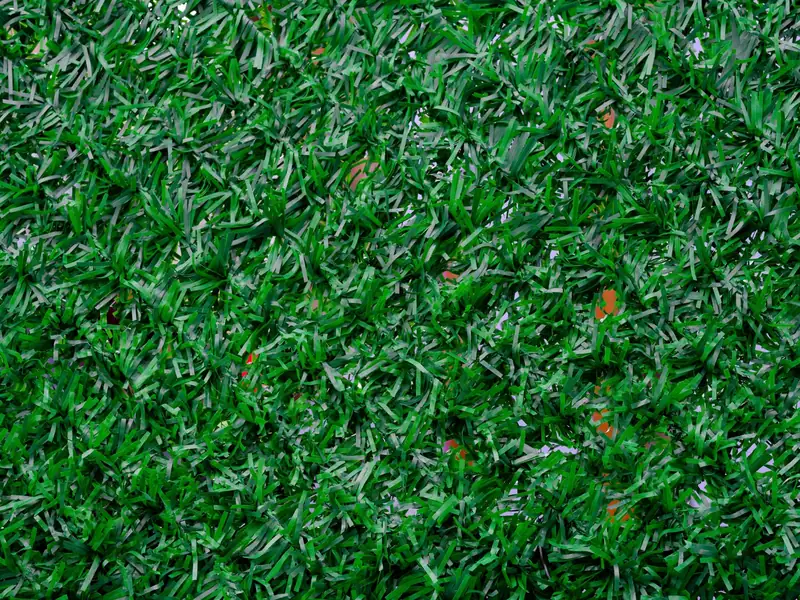
The short answer: once a week, blow or rake off leaves, pick up any pet mess and rinse wee spots, and brush the busy areas so the fibres stand up. Every few months, give the whole lawn a deeper clean and check the edges and joins. Keep harsh chemicals, heat and sharp tools away from it.
Artificial grass is low maintenance, not no maintenance. A few minutes a week keeps it looking good and helps it last.
The weekly routine
- Clear leaves and debris with a leaf blower on a low setting, a plastic rake or a stiff broom.
- Pick up pet mess, then rinse the spot.
- Brush the busy areas, such as walkways and the path to the clothesline, against the lean of the fibres.
- Take a quick look at the edges and joins.
Leaves, twigs and blossom
Leaves left sitting on turf hold moisture and slowly break down into fine debris that weeds can grow in. In autumn, clear them often. Under deciduous trees that can mean every few days at peak leaf drop.
Use a blower on a low setting, or a plastic rake. Metal rakes and stiff wire brushes can damage the fibres.
Dogs and other pets
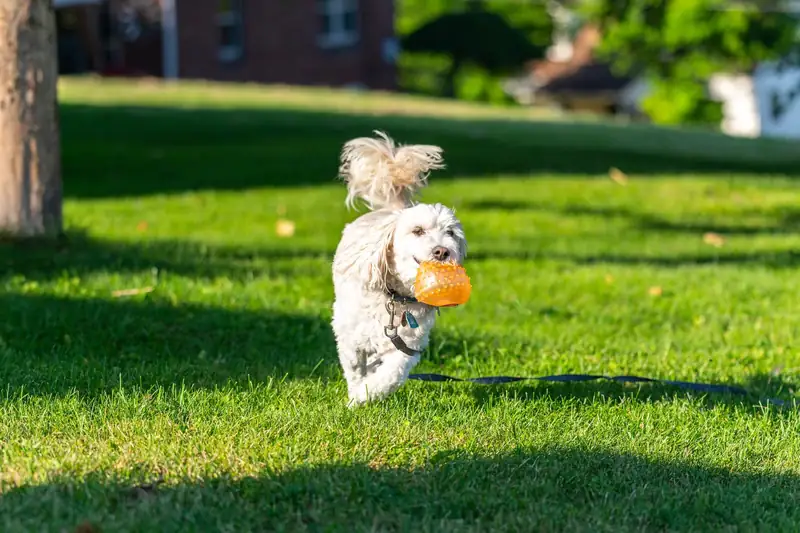
If you’re planning new turf for a dog, we can explain how we set up pet-friendly artificial grass to drain well and clean easily.
Stains and spills
Brushing
Brushing keeps the fibres standing up, spreads the infill evenly and stops walkways looking flat and worn. Use a stiff brush with synthetic bristles, not a wire brush, and brush against the lean of the fibres. Busy areas need it more often than the rest of the lawn.
Infill top-ups
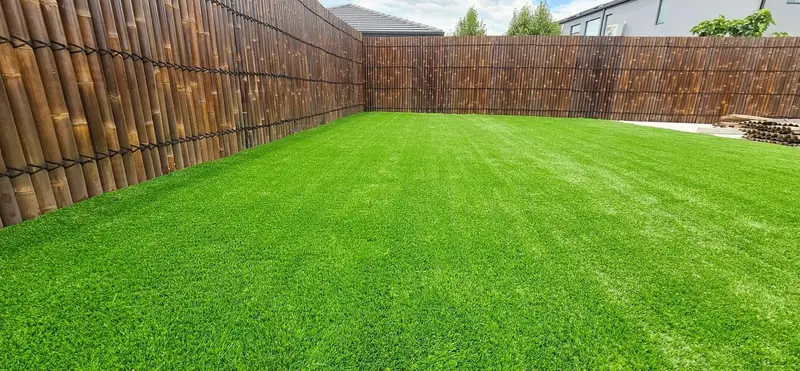
If your turf has infill, it can shift over time, especially in walkways or after heavy rain. If the turf looks flat or you can see the backing between the fibres, it may need a top-up. Ask your installer which product suits your turf.
Weeds and moss
Weeds can still sneak in around the edges and joins, or grow in debris sitting on top. Pull them early, roots and all. Don’t spray weed killer on turf until you’ve checked the turf maker’s care guide.
In damp, shady corners, moss and algae can build up on top. Keep debris off, brush the area and let in more light and air where you can.
Keep heat off it
Synthetic turf can melt or burn. The NSW Chief Scientist’s review says the synthetic turf products that have been tested are classified as “easily flammable”. Keep these off your lawn:
Put a heat-proof mat or pavers under a barbecue or fire pit.
Like to talk it through first?
Water use and Victoria’s rules
Under Victoria’s permanent water saving rules, every hose needs a trigger nozzle. The rules also say water must not be used to clean hard surfaces such as concrete, paths and driveways, with some exemptions, including for stains. They don’t specifically mention artificial grass, so spot-rinse with a trigger nozzle or a bucket rather than hosing down the whole lawn, and ask your water corporation if you’re unsure.
Hosing turf on a hot day cools it, but researchers found the effect doesn’t last long.
A Melbourne seasonal checklist
| Season | What to do |
|---|---|
| Autumn | Clear leaves often. Check the drainage before winter rain. |
| Winter | Keep debris off. Watch for moss in damp, shady spots. Check for puddles after heavy rain. |
| Spring | Give it a deep clean and brush the whole lawn. Check the edges and joins, and top up infill if needed. |
| Summer | Rinse pet areas more often. Keep heat sources off. Plan shade for hot afternoons. |
Warranty traps to avoid
Read your turf warranty before you need it. Questions worth answering now:
Keep your quote, invoice and the product name somewhere safe.
When it’s not a cleaning problem
Lifting edges, joins that have opened up, dips and puddles aren’t fixed by cleaning. They usually point to the base or the installation, so talk to your installer. To see how a lawn should be built in the first place, read about our artificial grass installation in Melbourne.
From EKO Gardening Solutions. Sources checked on 8 October 2026.
A few useful answers.
Have a question about your own space?
Tell us what you have in mind.
How often should I clean artificial grass?
A quick tidy once a week, with leaves off, pet mess picked up and busy areas brushed, plus a deeper clean every few months. Dog areas need rinsing more often, especially in summer.
What's the best way to clean dog wee off artificial grass?
Rinse the spot well, then wash it with a cleaner made for synthetic turf, following the label and the turf maker’s care guide. If the smell keeps coming back, the base under that spot may not be draining properly.
Can I use a pressure washer on artificial grass?
Check the turf maker’s care guide first. High pressure up close could damage the backing or blast out infill. A trigger-nozzle hose and a stiff brush usually do the job.
Can I use a leaf blower on artificial grass?
Yes. A blower on a low setting is one of the easiest ways to clear leaves, as long as it isn’t strong enough to lift the infill.
Sources
Keep reading.

Let’s make more of your garden.
Tell us about your space.
We’ll help you work out the next step.