The downsides of artificial grass, honestly.
We install artificial grass, and we’d still rather you knew the downsides before you buy. Here they are, with sources, followed by who it really suits.
The short answer: the main downsides of artificial grass are summer heat, plastic waste at the end of its life, a higher up-front cost, and the need for good drainage and regular cleaning. It also isn’t habitat the way a living lawn is. For the right yard it’s still a great choice, but go in with your eyes open.
Here’s each downside, what the evidence says, and what a good installation can and can’t do about it.
1. It gets hot in the sun
This is the big one. In a Western Sydney University study, synthetic turf in a home’s front yard reached 53°C in full sun on a 36°C day, while green natural grass in a nearby park averaged 34°C. Across 20 published studies, the hottest synthetic turf readings ranged from 53°C to 93°C.
Melbourne is milder than western Sydney on average, but the Bureau of Meteorology’s Melbourne Airport station still records about 10 days a year at 35°C or more.
What helps: shade helps most, shorter pile runs cooler, and hosing it down only cools it briefly. Our guide to whether artificial grass gets hot goes into detail.
2. It’s plastic, and it doesn’t last forever
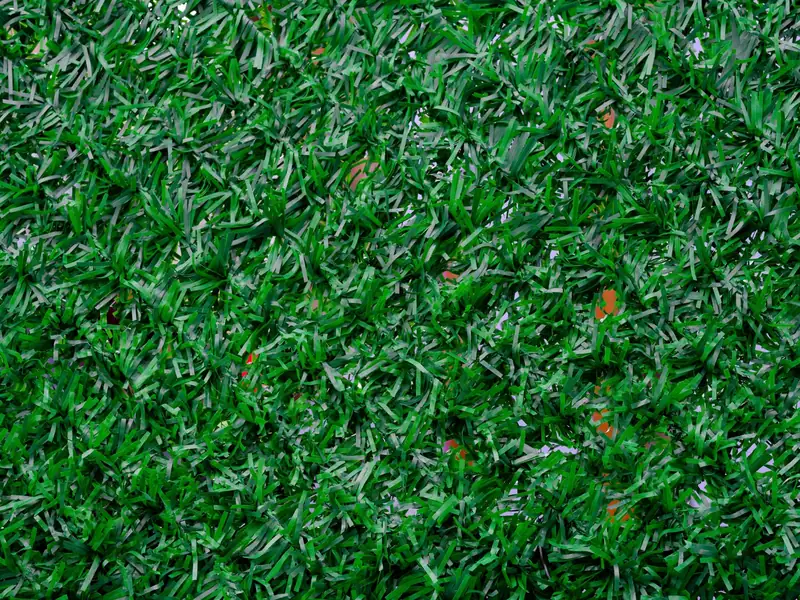
Artificial grass is a plastic product with a limited life.
What helps: choosing a durable product, building a base that won’t need redoing, and looking after the turf so it lasts. None of that changes what it’s made of.
3. Drainage and smells
Turf laid on soft soil, on a base without a fall, or on a flat slab can hold water. Add dog wee or rotting leaves and you get smells. Whittlesea Council even cites poor drainage as one of its reasons for not allowing synthetic grass on nature strips.
What helps: a properly dug-out, compacted base with a fall, turf with good drainage, and regular rinsing in pet areas. This is the downside a good installation fixes most completely.
4. It costs more up front
Artificial grass costs more to install than laying natural turf, mostly because of the groundwork: digging out, base material, compaction, edging and labour. You save on mowing, watering and fertiliser later, but how long that takes to pay back depends on your yard and how you value your time. A free written quote shows the real cost of artificial grass for your yard before you decide.
5. It’s not maintenance-free
There’s no mowing, but leaves still need clearing, busy areas need brushing, pet areas need rinsing and some products need infill topped up. Our guide to cleaning artificial grass sets out the routine.
6. Looks and feel
Quality varies a lot. The colour blend and fibre shape make a big difference to how natural turf looks. It can flatten in walkways if it isn’t brushed, and strong sun can fade it over the years. It also feels different underfoot from a living lawn, especially when it’s warm.
7. Heat damage and fire
Synthetic turf can melt or burn. The NSW review, which focused on sports fields, says the synthetic turf products that have been tested are classified as easily flammable. At home, that means keeping cigarettes, barbecue coals, fire pits and hot barbecue plates off it.
8. Wildlife and soil
A living lawn is part of the garden’s soil life. The NSW review found that replacing grass or other plants with synthetic turf may cause habitat loss, and that strategic planting around it can help reduce that loss.
Like to talk it through first?
9. Council limits
Most councils in Melbourne’s north don’t allow artificial grass on nature strips. If you were planning to turf the front verge, read our nature strip rules guide first.
The upsides, for balance
Who artificial grass suits
Who should think twice
For a side-by-side comparison, read artificial grass vs natural lawn in Melbourne. If artificial grass still sounds right, see how we build it properly on our artificial grass installation page.
From EKO Gardening Solutions. Sources checked on 8 October 2026.
A few useful answers.
Have a question about your own space?
Tell us what you have in mind.
What are the main disadvantages of artificial grass?
Summer heat, plastic waste at the end of its life, a higher up-front cost than laying natural turf, the need for a well-drained base and regular cleaning, and it isn’t habitat the way a living lawn is.
Is artificial grass bad for the environment?
It has real environmental costs: it’s plastic, it becomes waste at the end of its life, fibres and infill can wash into waterways, and it isn’t habitat. It also saves mowing and watering. Weigh those up for your own yard.
Can artificial grass be recycled?
Some can, through specialist facilities. A Victorian recycling plant started production in 2024, but the Victorian Government notes that landfill remains the familiar, easier and cheaper option for many.
Does artificial grass get mouldy or smelly?
It can if water or pet wee can’t drain away, or if leaves and debris are left to rot on top. A well-drained base and a simple cleaning routine prevent most problems.
Sources
- Western Sydney University (Aug 2022): Synthetic Turf in Public Spaces, surface temperatures
- NSW Chief Scientist & Engineer (Oct 2022): Synthetic Turf Review final report
- Victorian Government (CEBIC, updated Sept 2025): Australia's first synthetic turf recycling hub
- City of Whittlesea: nature strips (drainage and surface heat)
- Bureau of Meteorology: climate statistics, Melbourne Airport (1970–2026)
Keep reading.
Let’s make more of your garden.
Tell us about your space.
We’ll help you work out the next step.