Artificial grass or natural lawn? An honest comparison.
We install both, so here’s a straight comparison for Melbourne yards: cost over time, water, summer heat, shade, pets, kids and how each one looks.
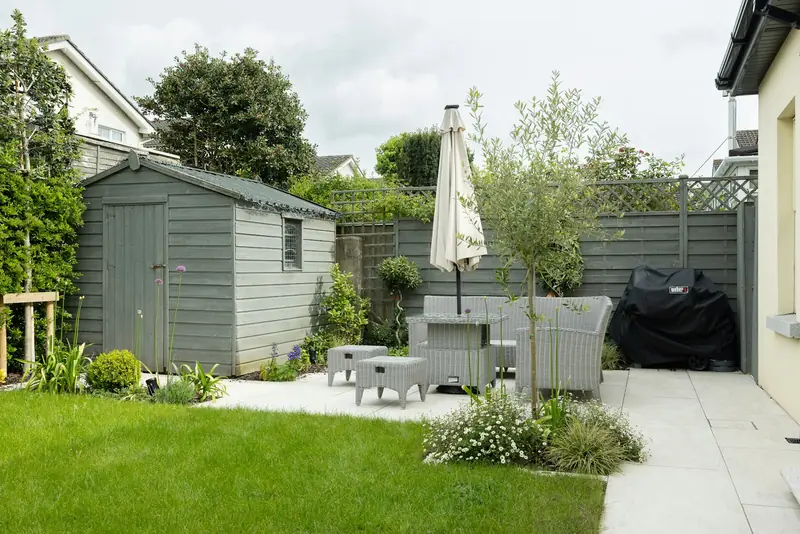
The short answer: choose artificial grass if the area is shady, worn out by traffic or dogs, hard to water, or you simply don’t want to mow. Choose a natural lawn if the area gets good sun, you want the coolest surface in summer, and you’re happy to mow and water. A natural lawn usually costs less to lay; artificial grass costs more up front and less of your time each week.
We lay both. Here’s how they compare in a Melbourne yard.
Side by side
| Artificial grass | Natural lawn | |
|---|---|---|
| Up-front cost | Higher: digging out, base, turf and labour | Usually lower to lay |
| Weekly upkeep | Leaves off, a brush, rinsing pet areas | Mowing, edging, weeding, feeding |
| Water | No watering needed to stay green | Needs water in dry spells to stay green |
| Summer heat | Much hotter than natural grass in full sun | Stays close to air temperature when healthy |
| Shade | Copes with shade, though leaves still need clearing | Struggles in deep shade |
| Dogs | No mud or dead patches, but needs rinsing | Wee patches and digging, but it regrows |
| Kids and play | Even and mud-free all year, but hot in full sun | Cooler and softer, but can wear and get muddy |
| Look | Green all year; quality varies a lot | Alive, and changes with the seasons |
| End of life | Plastic waste that eventually needs replacing | Can be renovated rather than replaced |
| Wildlife and soil | Not habitat | Part of a living garden |
Cost over time
There’s no honest single number for this, because it depends on your yard. Instead, here’s what to add up over, say, ten years.
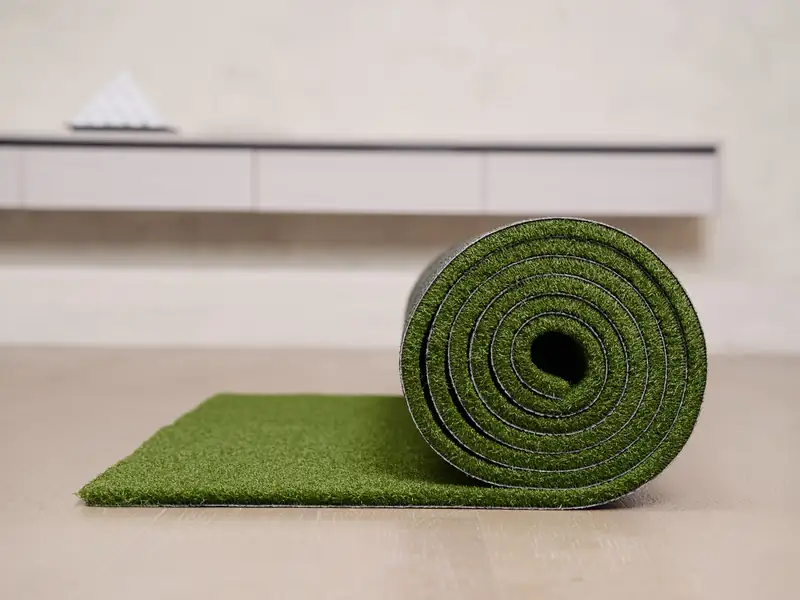
Artificial grass: the installed price, occasional cleaning products, infill top-ups if your product needs them, and eventually replacement and disposal. A free written quote gives you the real cost of artificial grass for your yard.
Natural lawn: laying new turf or renovating the old lawn, water, a mower and fuel or a mowing service, fertiliser, top dressing, patching worn areas, and your own time.
Which comes out ahead depends on the size of the area, how much you value your weekends, and how long you’ll stay in the house.
Water in Melbourne
Victoria’s permanent water saving rules apply all year. Hoses need a trigger nozzle, and watering systems such as sprinklers can only run between 6 pm and 10 am, although hand watering is allowed any time.
A natural lawn needs water in dry spells to stay green. Warm-season grasses such as couch, buffalo and kikuyu handle dry weather better, and local council guidelines list them as drought-tolerant choices. Artificial grass doesn’t need watering to stay green, though dog areas still need rinsing.
Summer heat
This is the biggest practical difference. In a Western Sydney University study on a 36°C day, synthetic turf in a home’s front yard reached 53°C in full sun, while green natural grass in a nearby park averaged 34°C. Natural grass stays close to the air temperature because it’s alive and holds moisture. Plastic fibres don’t cool themselves that way.
Melbourne isn’t western Sydney, but it has its share of hot days. At the Bureau of Meteorology’s Melbourne Airport station, on average around 33 days a year reach 30°C and about 10 reach 35°C (1970–2026). If the lawn is mainly for kids or dogs in a full-sun yard, factor that in. Our guide to whether artificial grass gets hot covers what helps.
Shade
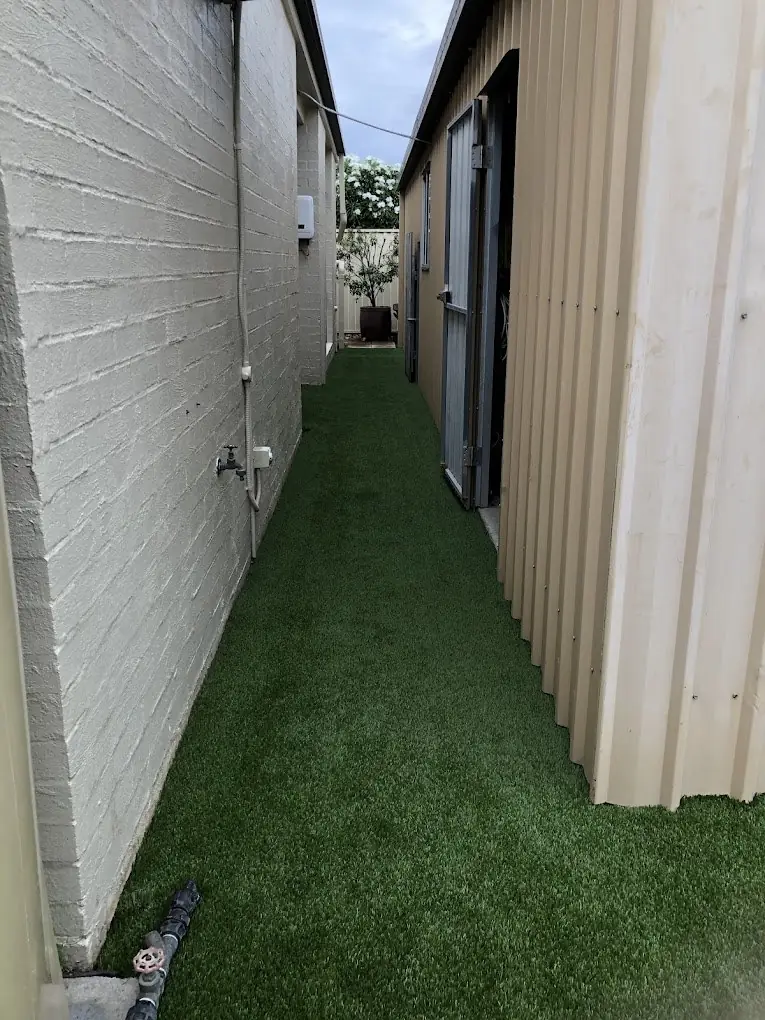
A natural lawn needs sun. Some varieties cope with less light than others, but deep shade may not support a healthy lawn at all. Artificial grass doesn’t need sun, which is why shady side passages, courtyards and spots under trees are classic places for it. Under trees you’ll be clearing leaves more often.
Pets and kids
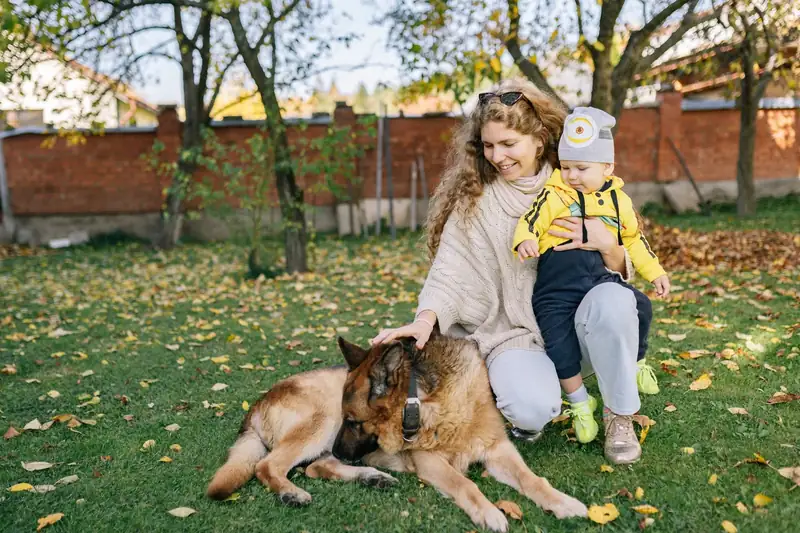
Dogs: artificial grass ends mud and dead patches, but it needs rinsing to stay fresh, and it heats up in the sun. A natural lawn copes with wee less well but regrows. If you’re leaning towards turf for a dog, we can talk you through artificial grass for dogs when we quote.
Kids: turf gives an even, mud-free surface all year, which suits winter play. On hot, sunny afternoons a natural lawn is far more comfortable for bare feet.
Looks and lifespan
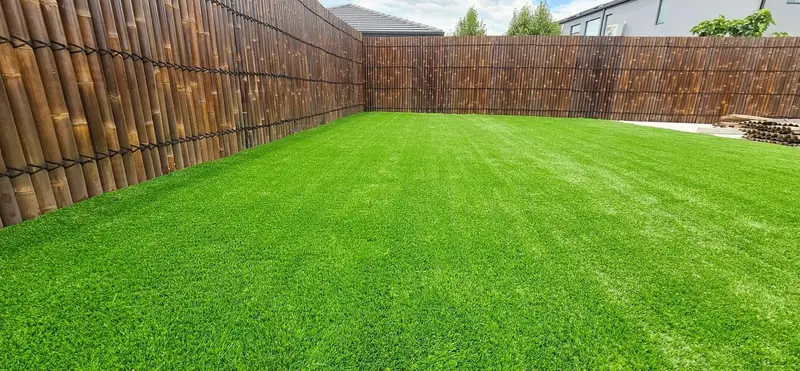
Artificial grass quality varies a lot, and the colour blend and fibre shape make a big difference to how natural it looks. It can flatten in walkways without brushing, and strong sun can fade it over the years. How long it lasts depends on the product, the sun and the wear, so read the warranty closely. As a rough guide from public sports fields, which take much heavier use than a backyard, a NSW review lists synthetic fields that were replaced after 7 and 10 years.
A natural lawn looks alive and changes with the seasons. It can brown off in heat and drought, and it usually recovers with care.
End of life and the environment
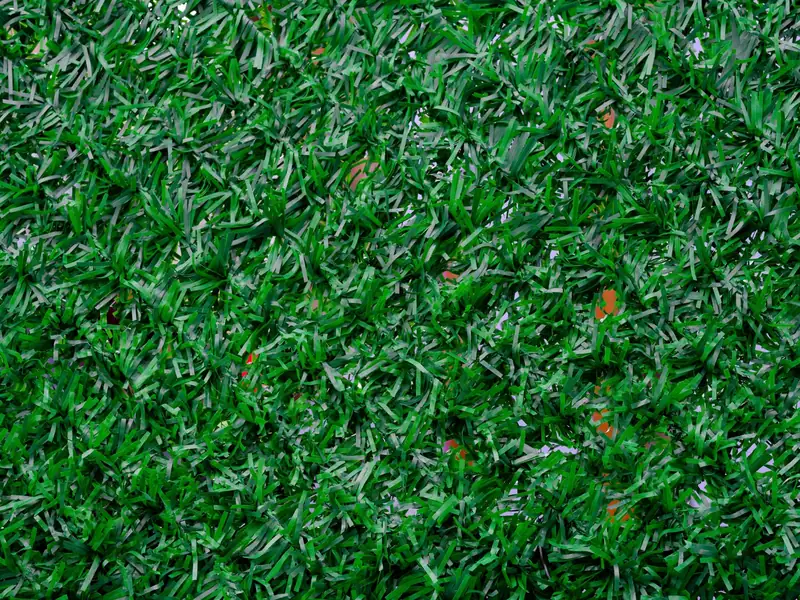
Artificial grass is plastic. A Victorian Government project page reports that Australia disposes of around 130,000 tonnes of synthetic turf a year. A Victorian recycling plant began production in 2024, but the same page notes that landfill remains the familiar, easier and cheaper option. The NSW Chief Scientist’s review, which looked mainly at sports fields, noted that rubber infill and turf fibres have been found in NSW waterways. It also found that replacing grass or other plants with synthetic turf may cause habitat loss. A living lawn is part of the garden’s soil and wildlife instead.
Like to talk it through first?
When a natural lawn is the better choice
When artificial grass makes more sense
Still deciding?
We lay both: artificial grass installation in Melbourne and new natural lawns. Tell us about your yard, the sun it gets and how you use it, and we’ll give you a straight recommendation. For the full list of trade-offs, read the downsides of artificial grass.
From EKO Gardening Solutions. Sources checked on 8 October 2026.
A few useful answers.
Have a question about your own space?
Tell us what you have in mind.
Is artificial grass worth it in Melbourne?
It can be for shady, high-traffic or hard-to-water areas, or if you don’t want to mow. In a sunny yard where you want a cool lawn for kids or dogs on summer afternoons, a natural lawn may suit you better.
How long does artificial grass last?
It depends on the product, the sun and the wear it gets. Check the manufacturer’s warranty for the product you’re considering, and keep the turf brushed, clean and away from heat sources.
Does artificial grass save water?
It doesn’t need watering to stay green, which a natural lawn does in dry spells. Pet areas still need rinsing, and hosing turf to cool it uses water for only a brief effect.
Can I have both artificial grass and a natural lawn?
Yes. Some people use turf in the shady or high-traffic spots, such as side passages or a dog run, and keep natural lawn where it grows well.
Sources
- Western Sydney University (Aug 2022): Synthetic Turf in Public Spaces, surface temperatures
- Bureau of Meteorology: climate statistics, Melbourne Airport (1970–2026)
- Victorian Government: permanent water saving rules
- Merri-bek City Council: nature strip guidelines, version 8 January 2019 (drought-tolerant grasses)
- NSW Chief Scientist & Engineer (Oct 2022): Synthetic Turf Review final report
- Victorian Government (CEBIC, updated Sept 2025): Australia's first synthetic turf recycling hub (national disposal figure)
Keep reading.
Let’s make more of your garden.
Tell us about your space.
We’ll help you work out the next step.