Can you lay artificial grass on concrete or pavers?
Often, yes. Artificial grass can go over solid, well-drained concrete or pavers. Here’s when that works, when it doesn’t, and what a proper job involves.
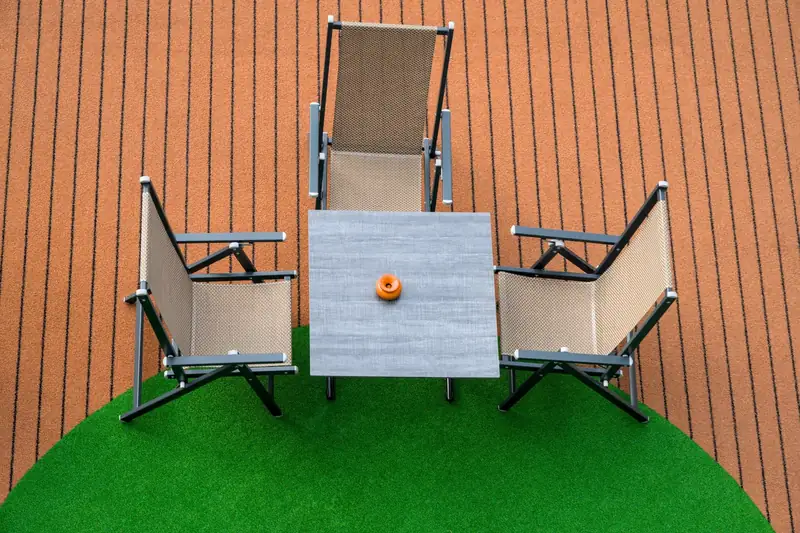
The short answer: yes, artificial grass can be laid on concrete or pavers, as long as the surface is solid, reasonably even and drains. It can be laid over a foam underlay or straight onto a sound, even slab, with the edges and joins glued and a clear path for water to get away. Cracked or lifting slabs, loose pavers and flat areas that hold water need fixing first, and turf on concrete won’t feel as soft, or stay as cool, as turf over a proper base.
It’s a common question, usually from people with a tired slab, an old paved area or a balcony who want it green without ripping anything up. Here’s how to tell whether your surface is a good candidate.
When concrete or pavers make a good base
Concrete or pavers can work well under artificial grass when:
When it doesn’t work
Turf on concrete is the wrong answer when:
In those cases the better answer is usually to fix the surface first, or to remove it and build a compacted crushed-rock base the way a standard lawn install does.
How artificial grass is laid on concrete
The steps are simpler than a full dig-out, but each one matters.
- Clean and check. Sweep the surface, remove moss and weeds, and watch where water goes when you tip a bucket over it.
- Fix problems. Patch cracks, re-bed loose pavers and fill hollows so the surface is sound and even.
- Sort the drainage. If the slab falls to an edge or drain, water can run under the turf and away. On flat or dished areas, an installer may need to create a fall or drill small drainage holes in the low spots, where that’s safe to do.
- Lay an underlay, if you’re using one. A foam underlay (sometimes called a shock pad) softens the feel, evens out small bumps and joint lines, and gives water a path to drain. On a sound, even slab it’s optional.
- Lay and join the turf. The turf is rolled out with the fibres all leaning the same way, cut to shape, and joined so the seams sit tight.
- Fix the edges. Pins can’t go into concrete, so the edges are glued down or fixed to a solid edge.
- Infill, if the product needs it. Some turf is designed to have infill brushed in. Follow the turf maker’s guide.
Drainage is the make-or-break
Most problems with turf on concrete come back to water. The turf drains, but the concrete underneath doesn’t, so water has to travel across the slab under the turf to an edge or a drain. If the slab is flat or dips in the middle, water sits under the turf, the underlay stays wet and smells can follow, especially in a dog area.
Before you do anything else, do the bucket test. If water pools anywhere, sort that out first.
Pavers: a few extra checks
Heat and feel on concrete
Concrete and artificial grass both heat up in summer sun. In a Western Sydney University study, synthetic turf in a home’s front yard reached 53°C in full sun on a 36°C day, the same as black-painted concrete in that yard. So don’t expect turf to cool a slab down: it makes it greener, not cooler. Turf over concrete also feels firmer underfoot than turf on a crushed-rock base, and a good underlay makes a real difference to that. Our guide to whether artificial grass gets hot covers what helps.
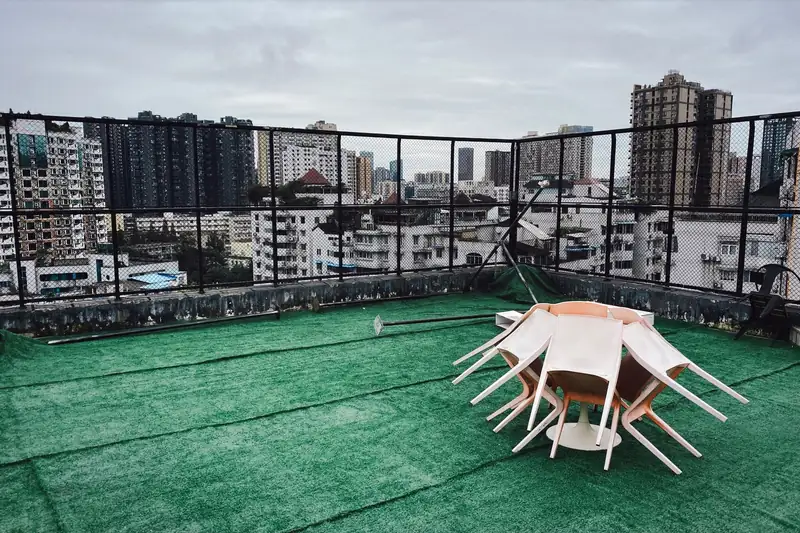
Balconies and rooftops
Turf on a balcony or roof deck raises different questions: the waterproofing underneath, the drainage outlets, the weight when wet, wind, and your owners corporation’s rules. Talk to your building manager or owners corporation before you buy anything.
Like to talk it through first?
DIY or installer?
On a sound, well-drained slab, turf on concrete is usually simpler than a full dig-out, and some people manage it themselves. Where it tends to go wrong is drainage, edges lifting and joins that open up.
If your yard mixes concrete, pavers and soil, or the slab has problems, get advice before you buy turf. We install artificial grass across Melbourne and can tell you whether your surface suits turf or needs work first. Laying over sound concrete can save some digging, but underlay, drainage work and gluing add their own costs. A written quote for your surface is the only reliable way to compare artificial grass costs for concrete and a full dig-out.
For how a standard installation is built from the ground up, read how artificial grass is installed.
From EKO Gardening Solutions. Sources checked on 8 October 2026.
A few useful answers.
Have a question about your own space?
Tell us what you have in mind.
Do you need underlay for artificial grass on concrete?
Not always. A foam underlay softens the feel underfoot, hides small cracks and joint lines, and gives water a path to drain under the turf. On a sound, even slab, turf can go down without one.
How do you stop artificial grass moving on concrete?
Pins can’t be driven into concrete, so the edges are usually glued down or fixed to a solid edge, and the joins are glued as well.
Does artificial grass on concrete smell?
It can if water or pet wee sits on the slab under the turf. A slab that falls to an edge or drain, drainage holes in any low spots and regular rinsing prevent most smells.
Can you put artificial turf over pavers?
Yes, if the pavers are firmly bedded and the surface drains. Loose or sinking pavers and big lips between them need fixing first, or they’ll show through the turf.
Is it cheaper than a normal install?
Sometimes. You save on digging and base material, but underlay, drainage work, surface repairs and gluing add their own costs. A written quote for your surface is the only reliable answer.
Sources
Keep reading.
Let’s make more of your garden.
Tell us about your space.
We’ll help you work out the next step.